An SBI transfer mockup is most useful when you need a fast, realistic banking screen for a presentation, tutorial, storyboard, or learning reference. Instead of building a layout from zero, you can use a ready-made screenshot template in an online editor, adjust the visible fields in a browser, preview the result live, and export PNG in just a few steps. That is exactly where 臻宝作图, also known as Zoobic, fits best.
Zoobic is built for quick visual editing. It offers a large template library with 8000+ templates across 300+ categories, including bank transfers, wallets, chat screens, payment pages, and other mobile UI scenes. For anyone searching for an SBI transfer mockup, this matters because the workflow is practical: open the right screenshot template, edit names, amount, date, and reference details on the right, review the live preview on the left, then export PNG when the mockup looks clean and balanced.
The value of an SBI transfer mockup is not only realism. It is also speed and consistency. A browser-based online editor helps you create a polished visual without Photoshop, without manual layers, and without rebuilding a transfer confirmation screen by hand. For content creators, UI learners, trainers, and presentation teams, that makes the mockup process easier to repeat across multiple projects.
A strong SBI transfer mockup should support positive, practical use cases. It can help illustrate a transfer success page in an article, show transaction-page structure in a learning setting, or provide a neat mobile banking visual for a slide deck. In these situations, a screenshot template is a visual aid for communication, not a substitute for real records. Used correctly, it becomes a reliable design reference and content asset.
Why an SBI Transfer Mockup Works Best in a Browser-Based Editor
People searching for an SBI transfer mockup usually want a direct result, not a long design process. They need a realistic screen that can be edited quickly and exported clearly. That is why a browser-based online editor is a better fit than a general-purpose design tool for this type of task.
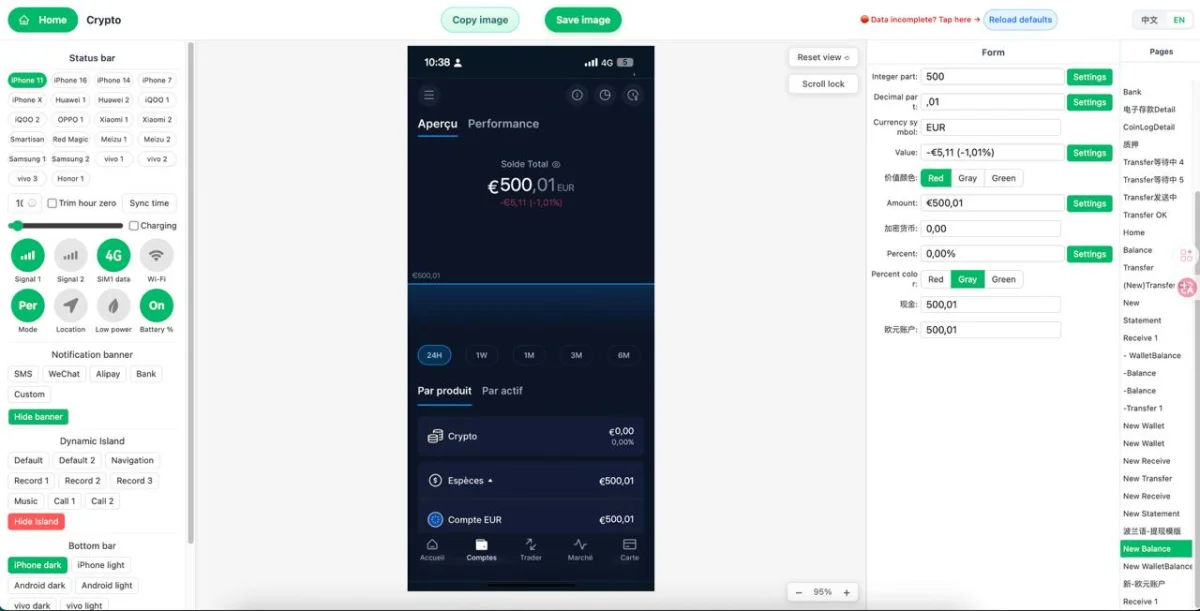
Zoobic keeps the workflow simple. You open the editor in a browser, search the template library, choose a relevant screenshot template, edit visible fields, and review each change in real time. This left-preview and right-form structure is efficient because it removes guesswork. Every change to the amount, account name, timestamp, or status appears instantly on screen, which makes the mockup easier to refine before you export PNG.
This approach also helps users who are not designers. A person preparing a training document or article image may not want to manage layers, spacing systems, or custom typography. With Zoobic, the layout is already prepared inside the screenshot template. The work is focused on field-level editing rather than interface construction.
Another advantage is repeatability. Once you understand the editing flow, you can produce multiple versions of the same SBI transfer mockup for different scenes. One version may show a transfer success screen for a tutorial, while another version may show transaction details for an explainer graphic. Because the online editor works in the browser, the process stays quick from one mockup to the next.
For search intent, this matters a lot. Users looking for an SBI transfer mockup usually want the exact path from template search to final image. A realistic screenshot template, a simple online editor, and a clear export PNG option match that intent better than abstract design advice.
Start with the Right SBI Transfer Screenshot Template
Choosing the correct screenshot template is the foundation of a strong SBI transfer mockup. If the base layout already matches your visual goal, the editing process becomes much faster and the final image looks more natural. In Zoobic, the easiest approach is to search the template library using keywords such as SBI, transfer, bank transfer, receipt, transaction detail, or confirmation screen.
The goal is to select the layout that best matches how you plan to use the image. A transfer success screen works well when you want a clean result with a clear completed status. A transaction detail page is better when you want more visible fields, such as amount, recipient, transfer time, and reference number. A receipt-style screenshot template is useful when you need a mobile banking visual with a more document-like presentation.
Before editing, review the format of the screen carefully. Some templates show a full mobile app page from top to bottom. Others focus on the core confirmation card or a cropped detail area. If your visual will be used in a blog banner, thumbnail, or presentation slide, the screen format matters. A full-screen SBI transfer mockup may communicate better in a tutorial, while a tighter receipt layout may work better in social content.
Zoobic makes this selection process efficient because the preview appears immediately in the browser. You do not need to open and rebuild multiple files to compare them. You can check whether the screenshot template has the right field structure, the right spacing, and the right transfer scene before starting your edits.
This is also where consistency begins. If you plan to create several images, using the same family of templates inside the online editor helps maintain a unified style. The result feels more organized across articles, slides, or learning materials. A good template choice saves editing time and improves the final mockup from the start.
Edit the Core Fields in Your SBI Transfer Mockup
Once you have chosen the right SBI transfer mockup, the next step is editing the visible transfer details. This is where Zoobic’s form-based online editor is especially useful. Instead of manually moving text boxes, you update each field in the right-side panel and watch the screenshot template change live in the browser.
Start with the account and user information. Most bank-transfer layouts include a sender area, a recipient area, or both. Edit the visible names so they are short, neutral, and easy to read. If the template includes a masked account number, keep the format tidy and visually balanced. You may also see labels such as beneficiary, transfer type, bank name, or account category. These small details shape how polished the final mockup looks.
The amount field deserves extra attention because it is usually the most prominent element on the page. Use a clear English-language number format with consistent commas and decimals. Then update the date and time fields so they align with the transfer status and the rest of the page. A clean SBI transfer mockup feels believable when the amount, timestamp, and status all support the same visual story.
Many templates also include identifiers such as transaction ID, order number, receipt code, or reference number. These are important because they add structure to the screenshot template. Keep them readable and avoid using overly long strings that crowd the layout. In an online editor, shorter values often create a cleaner final image.
Status labels should also be handled carefully. If the page is a success screen, use one consistent status such as completed, successful, or processed. Avoid mixing signals that make the mockup feel uncertain or visually inconsistent. Because Zoobic updates the screen in real time, you can test several combinations quickly in the browser before you export PNG.
This field-by-field workflow is one of the main reasons a ready-made screenshot template saves time. It keeps the process structured, reduces visual errors, and makes the SBI transfer mockup easier to reuse in future projects.
Make the Mobile Screen Look Natural and Complete
A convincing SBI transfer mockup is not only about the transfer data. It also depends on mobile interface details that make the image feel complete. In many cases, the top status bar is what turns a basic banking layout into a polished screenshot template that looks ready for content use.
Zoobic includes status-bar editing inside the online editor, which is important for mobile banking visuals. You can adjust time, battery, signal, carrier, and other top-bar indicators directly in the browser. These details are small, but they influence the overall impression of the mockup. A complete status bar helps the screen feel intentional rather than unfinished.
Spacing is another major factor. Long names, oversized amounts, or crowded reference values can break the visual rhythm of a banking page. The strongest SBI transfer mockup keeps each editable field within the layout’s natural limits. If a line feels too dense, shorten the value or choose a simpler label. A clean screenshot template often looks more professional when the content is concise.
The live preview in Zoobic supports this process well. As you change fields in the right-side panel, you can immediately check for text truncation, awkward line breaks, or uneven alignment on the left. This is one of the biggest advantages of using an online editor in a browser instead of static image software. You do not need to guess how the final output will look after each change.
It is also helpful to check whether the top bar, transfer card, and lower details all feel visually connected. If the time format is neat, the battery icon is consistent, and the transfer fields are balanced, the final mockup reads much more clearly in slides, blog images, and social visuals.
Before you export PNG, spend a moment scanning the entire screen from top to bottom. A natural-looking status bar, readable field lengths, and a consistent layout can make a major difference in the final SBI transfer mockup.
Build SBI Transfer Mockups for Presentations, Tutorials, and Content
One of the biggest strengths of an SBI transfer mockup is flexibility. The same screenshot template can support several kinds of content when edited with a clear purpose. In Zoobic, this is easy because the online editor keeps the workflow fast and focused in the browser.
For an internal training slide, the best approach is usually clarity. Choose a transfer success screenshot template, edit the amount, transfer time, and confirmation status, and keep the screen easy to scan. In a training setting, the image often serves as a visual reference for process explanation, so simplicity works better than overloading the layout with extra fields.
For a blog or tutorial illustration, use short sample names, a clear amount, and a readable timestamp. This creates an SBI transfer mockup that supports the text around it without distracting the reader. A browser-based online editor is useful here because article visuals often need quick revisions before publishing. You can adjust the template, review the mockup, and export PNG again in a short cycle.
For storyboard visuals or social media graphics, readability at smaller sizes becomes more important. Use a screenshot template with strong hierarchy and avoid filling every field. The amount, status, and one or two supporting details are often enough for a small-frame visual. In these use cases, a simpler mockup usually performs better than a crowded screen.
Zoobic is particularly practical for creators who need multiple assets in the same style. Because the template library covers many categories, users can pair an SBI transfer mockup with related mobile UI scenes while maintaining a consistent editing method. The result is efficient content production without switching between different tools or rebuilding visuals manually.
This positive use of a screenshot template fits well with learning, demo preparation, and creative communication. It supports presentation quality while keeping the process lightweight and accessible.
Refine Receipt Details, Notes, and Balance Sections
Some SBI transfer mockup layouts include more than the basic success message. They may show notes, remarks, balance sections, or account summaries that help the screen feel fuller and more informative. In Zoobic, these extra details can be adjusted in the same online editor, which makes the screenshot template more versatile.
A receipt-style layout often includes fields such as remarks, transfer note, category, memo, or payment label. These can be useful when the mockup is intended for a tutorial or visual walkthrough where additional context helps the audience understand the screen. Keep these entries concise and neutral so they support the layout rather than dominate it.
If the template includes a balance area, make sure it matches the rest of the content. The available balance, account label, and transaction amount should all follow one visual logic. In a polished SBI transfer mockup, the amount formatting, date style, and capitalization remain consistent from top to bottom. This makes the final screenshot template feel intentional and easier to read.
English-language formatting also deserves careful review. Dates should use one consistent structure, times should be easy to scan, and large numbers should use commas and decimals in a clean, familiar way. This matters because the audience often reads financial screens quickly. A well-formatted mockup improves clarity and supports better visual communication.
The preview-first workflow in Zoobic makes this refinement step practical. You can update notes, adjust balance values, and check alignment immediately in the browser before you export PNG. If a note pushes another field out of place or a number string feels too long, the issue becomes visible at once.
This is why detailed templates still remain easy to manage in a dedicated online editor. Instead of becoming more complicated, the screen simply gains more editable structure. For many creators, that means a richer SBI transfer mockup without extra design overhead.
Why Zoobic Is a Practical Choice for SBI Transfer Mockup Editing
Zoobic stands out because it is designed as a screenshot-focused online editor, not a broad design platform. That focus is valuable for anyone creating an SBI transfer mockup, because the process depends on speed, realism, and easy field control inside a browser.
The platform includes 8000+ templates across 300+ categories, covering scenes such as banking, wallets, chat, e-commerce, overseas banking, and digital payment interfaces. For users working on mobile financial visuals, this large template library increases the chance of finding a screenshot template that already matches the needed structure. Instead of forcing a layout into shape, you begin with a stronger base and edit from there.
Zoobic’s editing model is also efficient. The preview appears on the left, and the editable fields appear on the right. This clear layout makes the SBI transfer mockup process straightforward even for first-time users. Change the amount, update the transfer date, revise the recipient, fine-tune the status bar, and review the result instantly. The live preview helps maintain accuracy while reducing trial and error.
Another useful feature is status-bar support. Mobile banking screens feel more complete when time, battery, signal, and other phone details are aligned with the rest of the page. Zoobic includes these controls directly in the online editor, which strengthens the final mockup without adding unnecessary complexity.
For content creation, learning, and visual demonstration, that combination of searchable templates, field-based editing, status-bar control, and export PNG makes Zoobic a highly practical solution. It supports polished SBI transfer mockup production while keeping the process simple.
Common SBI Transfer Mockup Mistakes to Avoid
Even a good screenshot template can look weak if the final details are not checked carefully. The most common SBI transfer mockup mistakes usually come from inconsistent editing rather than the template itself. The good news is that these issues are easy to prevent in a live online editor.
One frequent mistake is mismatched field values. If the timestamp suggests one scenario but the status label suggests another, the mockup feels less polished. The same problem appears when the recipient name, transaction note, and reference number do not match the tone or structure of the page. A clean SBI transfer mockup should tell one visual story clearly.
Another mistake is overfilling the layout. Users sometimes try to use every field in the screenshot template, but more information does not always improve the image. Long names, long notes, and oversized ID strings can crowd the page. In most cases, shorter entries create a sharper result and improve readability when you export PNG.
A third issue is ignoring the mobile frame details. If the top status bar is left incomplete, or if the time and battery indicators feel out of sync with the rest of the page, the whole mockup can appear unfinished. Zoobic makes these controls easy to edit in the browser, so they should be part of the final review.
It is also worth checking formatting consistency before export. Dates, decimals, capitalization, and amount spacing should follow one pattern from start to finish. This improves the look of the screenshot template and makes the image more useful in English-language content.
A final habit that saves time is creating more than one version. If you need a training slide and a blog visual, adjust the same SBI transfer mockup into two outputs instead of forcing one image to fit both contexts. With a browser-based online editor, alternate versions are easy to prepare and export PNG as separate assets.
A Simple Workflow from Template Search to Final PNG Export
The easiest way to create an SBI transfer mockup is to follow a repeatable workflow. With Zoobic, the process stays simple because the online editor is built around editable screenshot template scenes and a clear live preview in the browser.
Start by searching the template library for SBI, transfer, bank transfer, or a similar keyword that matches your scene. Then choose the screenshot template that best fits your goal, whether that is a transfer success page, a detail screen, or a receipt-style layout. The closer the starting template is to your intended result, the less editing you need later.
Next, edit the visible fields on the right side. Update sender and recipient names, amount, date, time, transaction IDs, remarks, or balance values where needed. Watch the preview on the left as each change appears. This is where a dedicated online editor is most efficient: the screen updates immediately, so you can refine the mockup without extra steps.
After that, adjust the phone status bar to complete the mobile look. Set the time, battery, signal, and carrier details so the screen feels cohesive. Then review the entire page for spacing, readability, and consistency. A few small edits at this stage can make the final screenshot template feel significantly cleaner.
When everything looks right, export PNG and save the image for your slide deck, article, training material, or content project. If needed, create alternate versions with different amounts or timestamps so you have flexible assets ready to use.
This workflow is exactly why SBI transfer mockup creation works well in Zoobic. It combines speed, visual control, and practical output in one browser-based system. For entertainment, learning research, and content creation, it is an efficient way to produce realistic banking visuals. Only for entertainment and learning research, and do not use it for illegal purposes.