A Tinkoff screenshot template editor helps you create a polished banking app mockup quickly in the browser. Instead of rebuilding a screen in design software, you open a screenshot template, change the visible fields, check the live preview, and export PNG when the layout looks right. This workflow fits content creation, UI studies, internal demos, presentation slides, and visual storytelling where a clean financial interface mockup is needed.
Zoobic is built for that exact process. It is an online editor with more than 8,000 templates and 300+ scene categories covering banking, wallets, chat, e-commerce, and other mobile UI formats. The editing flow is simple: the left side shows the live preview, while the right side lets you update text fields such as amount, name, time, note, and status. That means you can finish a Tinkoff screenshot mockup in minutes without Photoshop or complicated layer editing.
Search behavior around this keyword is practical. People usually want a fast way to make a realistic mockup, not a long theory lesson. They want a browser tool, a clear screenshot template, editable transaction fields, natural phone status bar details, and a clean export PNG path. Zoobic matches that search intent well because it focuses on direct field editing, realistic previews, and high-definition image export. For entertainment and learning research only, please do not use it for illegal purposes.
What a Tinkoff screenshot template editor is used for
A Tinkoff screenshot template editor is designed for visual mockup work. The main goal is to present a banking-style screen clearly for learning, content production, interface review, or internal communication. With Zoobic, you are not rebuilding every UI element from scratch. You are using a ready-made screenshot template and replacing the visible content so the screen matches your presentation goal.
This is useful in several common situations. A fintech writer may need a clean app-style image for an article header. A product team may need a transaction confirmation screen for a concept deck. A designer may want a reference image for mobile finance UI structure. A creator may need a fast mockup for a thumbnail, storyboard, or social graphic. In all of these cases, a browser-based online editor saves time because it turns a complex design task into a simple edit-and-preview workflow.
Zoobic supports this process with category browsing, keyword search, field-based editing, and status bar controls. You can change the amount, recipient, date, time, payment note, masked card digits, or other labels depending on the chosen screenshot template. The result is a visual that looks tidy, readable, and suitable for mockup presentation.
Another reason this format is effective is consistency. Manual editing in a traditional design tool often leads to uneven spacing, inconsistent typography, or slow iteration. In Zoobic, the online editor keeps the layout structure intact while you update the content. That makes the final Tinkoff screenshot more reliable for slides, articles, and learning materials where clarity matters most.
How to find the right Tinkoff screenshot template fast
The fastest method is to begin with the template goal, not just the keyword. A Tinkoff screenshot can represent different types of screens, so the right screenshot template depends on the story you want the image to tell. In Zoobic, you can search template terms related to transfer confirmation, transaction detail, payment history, receipt view, or banking app summary screens. You can also browse categories if you want to compare several layouts before choosing one.
A transfer-success screen works well when the amount and completion status should be the main focus. A transaction-detail layout is better when you need additional metadata such as note text, timestamps, or reference lines. A receipt-style design is useful when the mockup needs a more document-like structure for a deck or learning visual. Choosing the right format first makes the editing process much faster because the field structure already supports your purpose.
Zoobic’s template library is a major advantage here. With 8,000+ templates and 300+ categories, it gives you enough variety to avoid forcing every mockup into one generic design. This is important for SEO intent as well, because users searching Tinkoff screenshot usually want a tool that solves the exact visual scenario quickly. A broad but organized library improves that experience by reducing unnecessary trial and error.
A simple selection rule helps: decide what the viewer should notice first. If it is the amount, choose a screen with strong number hierarchy. If it is the transaction relationship, choose a layout where names and notes are prominent. If it is the app structure itself, choose a screen with more visible interface sections. Once the right screenshot template is open in the browser, the editing becomes much more efficient.
How to edit a Tinkoff screenshot in the browser
Zoobic uses a straightforward editing pattern that is easy to understand even for first-time users. Open the selected screenshot template in the online editor, then edit the visible fields from the right-side panel while the left-side preview updates in real time. This live workflow is one of the biggest reasons browser editing works so well for Tinkoff screenshot mockup creation.
Start with the main transaction content. Update the amount first, because it is usually the most visually dominant element on the screen. Then change the recipient or sender name so the mockup has a clear identity line. After that, edit the date and time to match the scene you want to present. If the template includes a payment status label, adjust that next so the screen communicates the intended transaction state clearly.
After the core fields are finished, move to the secondary details. These may include a short payment note, a masked account line, a balance-related label, or a small reference field. Keep these edits concise. Shorter text generally looks cleaner in a banking UI and helps the screenshot template stay balanced. If a line wraps awkwardly, shorten the wording rather than trying to force long text into the design.
This is where Zoobic’s form-based workflow stands out. The online editor removes the need for manual design cleanup because each editable field is connected to the template layout already. You simply change the content, review the preview, and refine it until it feels polished. That is ideal for quick mockup tasks, repeated design experiments, and article visuals that need to look realistic without taking hours to produce.
Which fields matter most in a Tinkoff screenshot mockup
Not every field carries the same weight in a Tinkoff screenshot. The strongest mockups usually follow a simple priority order. First comes the headline data: amount, transaction title, and primary status. These are the elements the viewer notices immediately. Second comes the supporting context: recipient name, date, and time. Third comes the metadata layer: note text, masked digits, reference lines, or balance information.
This layered approach improves both design quality and search intent alignment. People searching for a screenshot template usually want a result that looks complete at a glance. If the amount is hard to read, if the name is too long, or if the timestamp feels inconsistent, the mockup will look unfinished even if the template itself is good. Zoobic helps solve this because the browser preview makes those issues visible immediately.
Amount formatting deserves special attention. Make sure the number spacing, symbols, and visual emphasis look natural within the template. Names should also be kept compact. A full name may work well in one layout, while a shorter contact label may fit better in another. Notes should be purposeful and brief. Long filler text makes the image look crowded and reduces readability when the Tinkoff screenshot is used in a smaller layout such as a card, slide, or thumbnail.
A good final check is to shrink the preview mentally: would the key information still be clear if the image appeared smaller inside an article or deck? If the answer is yes, the mockup is likely strong. If not, refine the hierarchy by shortening text, simplifying labels, or choosing a cleaner screenshot template inside Zoobic.
How to make the status bar look natural
A convincing top bar can make a Tinkoff screenshot feel complete. In Zoobic, the status bar is part of the editable workflow, so you can adjust the time, battery level, signal strength, carrier label, and device indicators when supported by the selected screenshot template. This may seem like a small detail, but it has a large visual impact on the final mockup.
The most important rule is consistency. If the transaction time on the screen says 14:25, the top status bar should not suggest a conflicting moment unless that difference is intentional. The same principle applies to the general device feel. If the template presents a modern phone layout, the status bar details should match that visual language. When these elements align, the entire screen feels more polished and coherent.
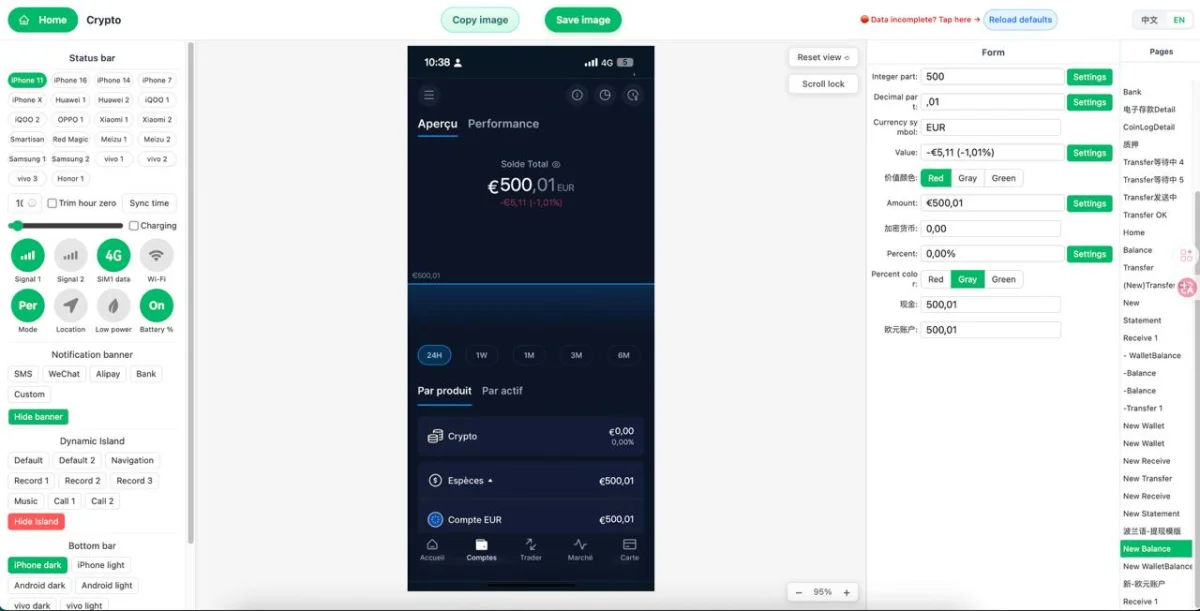
Zoobic makes this easy because the status bar is edited in the same online editor workflow as the main fields. You do not need a separate design step or manual layer adjustment. You simply update the values in the form and watch the preview change in the browser. That efficiency is especially useful when you are testing multiple versions of the same Tinkoff screenshot for different slides or content pieces.
Keep the top bar supportive, not distracting. The transaction amount and core message should remain the focal point. Use realistic values, moderate battery display, and a clean arrangement that complements the interface. When done well, the status bar gives the screenshot template a finished look and improves the overall quality of the exported image.
Common Tinkoff screenshot mockup scenarios
A Tinkoff screenshot can support several different content goals, and each one benefits from a different screenshot template style. The first common scenario is a transfer success screen. This is ideal when you want immediate visual clarity. The amount, recipient, date, and success label form the main structure, making it a strong choice for thumbnails, slide covers, and simple article visuals.
The second scenario is a transaction detail screen. This format includes more information and works well for UI walkthroughs, design commentary, and educational content. You can show the amount, time, note, category, and reference details in a more structured layout. In Zoobic, this type of mockup is useful when the audience needs context rather than just a quick impression.
The third scenario is a receipt-style banking screen. This option gives the image a more record-based appearance and is often useful for internal demo materials, concept comparisons, or visual learning examples. Alignment and text spacing become especially important in this format, so the live browser preview in Zoobic helps refine each line before you export PNG.
These scenarios matter because they show that a Tinkoff screenshot is not a single image type. It is a family of banking-style visuals that can be adapted for different communication needs. Zoobic supports that flexibility through category search, structured templates, and field-based editing. Instead of forcing one layout to do every job, you can choose the right screenshot template for the purpose and create a cleaner final result.
How to keep the screenshot readable and polished
A strong Tinkoff screenshot is not only realistic. It is easy to read. Readability starts with clean values. Use names that fit the space, amounts that look natural in the chosen interface, and note text that adds context without clutter. When a mockup is too crowded, the screen loses its visual hierarchy and becomes harder to use in articles or presentations.
The amount should remain the strongest visual element in most banking layouts. Supporting information such as the name, date, time, and note should be clear but secondary. In Zoobic, the live preview helps you judge this balance quickly in the online editor. If the amount no longer stands out, shorten nearby text or choose a screenshot template with a stronger hierarchy. This is often faster than trying to force a crowded layout to work.
Spacing is another key factor. A short note may improve the image, while a long note can reduce clarity. A masked card line can add realism, but only if it fits naturally. The best approach is to review every editable line with a simple question: does this field help the viewer understand the scene immediately? If not, simplify it. Good mockup work often comes from removing unnecessary detail, not adding more.
Before you export PNG, inspect the preview as if it were already placed inside a blog post or slide. Check if the key data remains readable at smaller sizes. Confirm that no placeholder text is left in the screenshot template. This small quality review gives the final Tinkoff screenshot a much more professional finish and helps it perform better as a visual asset in content.
How to export PNG and use the final mockup
Once the screen looks right, the final step is to export PNG. Zoobic is designed for this direct finish: edit in the browser, review the live preview, then save a sharp image for use in your workflow. PNG is a strong format for banking UI mockups because it preserves crisp text, clean icons, and precise interface edges that matter in financial-style screens.
Before exporting, run a short checklist. Confirm the amount is correct. Confirm the recipient name is spelled properly. Make sure the date and time fit the intended scene. Review the status bar for consistency. Check for any awkward line wrapping, leftover placeholder content, or small alignment issues. A careful final review often makes the difference between an average mockup and a polished one.
After the export PNG step, the image can be used in article headers, fintech explainers, UI references, training slides, internal product presentations, or storyboard drafts. The result stays useful because the screenshot template structure is built for clarity, while Zoobic’s editing system keeps the content easy to refine.
Why Zoobic works well for Tinkoff screenshot creation
Zoobic is especially effective for Tinkoff screenshot creation because its features match the real task closely. It combines a large screenshot template library, structured category search, direct field editing, status bar controls, and HD export PNG in one browser workflow. That reduces complexity and helps users move from idea to final mockup quickly.
The platform supports more than just banking visuals, which is valuable for creators and teams who work across different content formats. Alongside banking templates, Zoobic includes chat, wallet, overseas bank, e-commerce, and crypto-style scenes. This broader ecosystem is useful when a project needs multiple interface visuals with a consistent editing experience. Even so, the Tinkoff screenshot workflow remains simple: choose the right screen, update the fields, preview in real time, and export the result.
Zoobic also saves time because it does not require design software knowledge. The left-preview, right-form structure is intuitive, and the editable fields make the mockup process accessible to marketers, designers, researchers, and content creators alike. Instead of handling layers and manual alignment, you work directly with the visible content that matters most. That is a practical advantage for anyone producing visuals on a deadline.
For search intent, this matters a lot. Users do not want an overly technical process for a straightforward image task. They want a browser-based online editor that helps them create a clean Tinkoff screenshot with the right text, natural status bar details, and fast export PNG output. Zoobic delivers that focused experience while keeping the use case positive: entertainment, learning research, and mockup presentation.
A quick workflow to create a Tinkoff screenshot in minutes
A fast workflow usually begins with identifying the scene. Decide whether you need a transfer confirmation, a transaction detail view, or a receipt-style screenshot template. Then open Zoobic in the browser and search the relevant category or keyword. Starting with the right layout reduces editing time and gives the mockup a stronger structure from the beginning.
Next, update the main fields in the online editor. Enter the amount, recipient or sender name, date, time, and status. Review the live preview after each change. If the amount is visually dominant and the name fits naturally, you are already close to a strong Tinkoff screenshot. Then move to the secondary fields such as notes, masked digits, or supporting labels. Keep these lines compact so the layout stays balanced.
After the content is finished, refine the status bar. Match the time, battery, and signal details to the visual story of the screen. This step improves realism without adding complexity because Zoobic keeps it inside the same editing panel. Finally, run a quick readability review and export PNG when the design feels complete.
This workflow is effective because it is repeatable. Once you understand the order—choose template, edit core fields, refine details, review preview, export PNG—you can build multiple mockup variations efficiently. That is useful for content teams, designers, educators, and researchers who need clean interface visuals on demand. For entertainment and learning research only, please do not use it for illegal purposes.